
Menu

Walking Nakasendo: Edo’s Historic Trail

This special journey is led by a Nakasendo specialist with a genuine passion for the historic trail. Beyond its famous highlights, you will discover little-known inns and local restaurants, along with personal encounters with families who have lived along the Nakasendo for generations.

In an age when AI can arrange almost anything, these genuine human connections are increasingly precious. This journey reveals the true essence of travel: meeting people, sharing stories, and discovering Japan through relationships technology cannot replicate.

Duration
From 6 days 7 nights
Group Size
2-8 people
Price
¥820,000 ~/ 2 people

Introduction

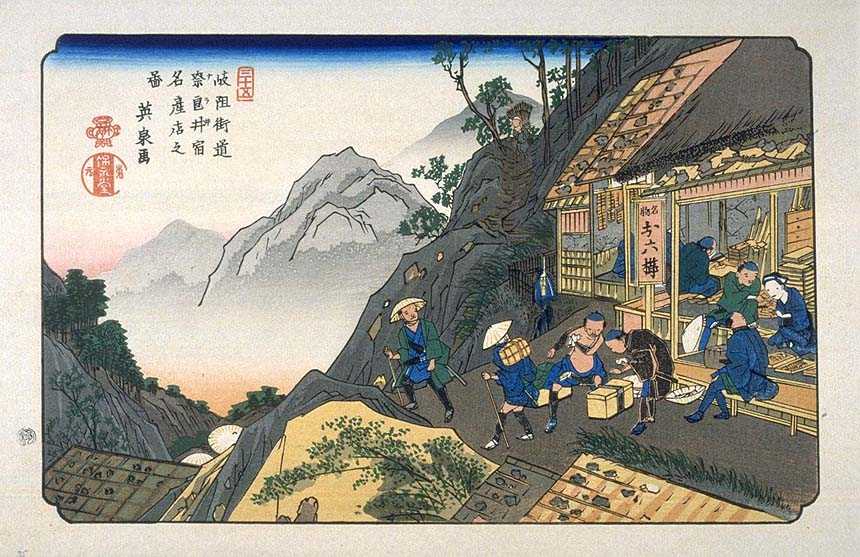
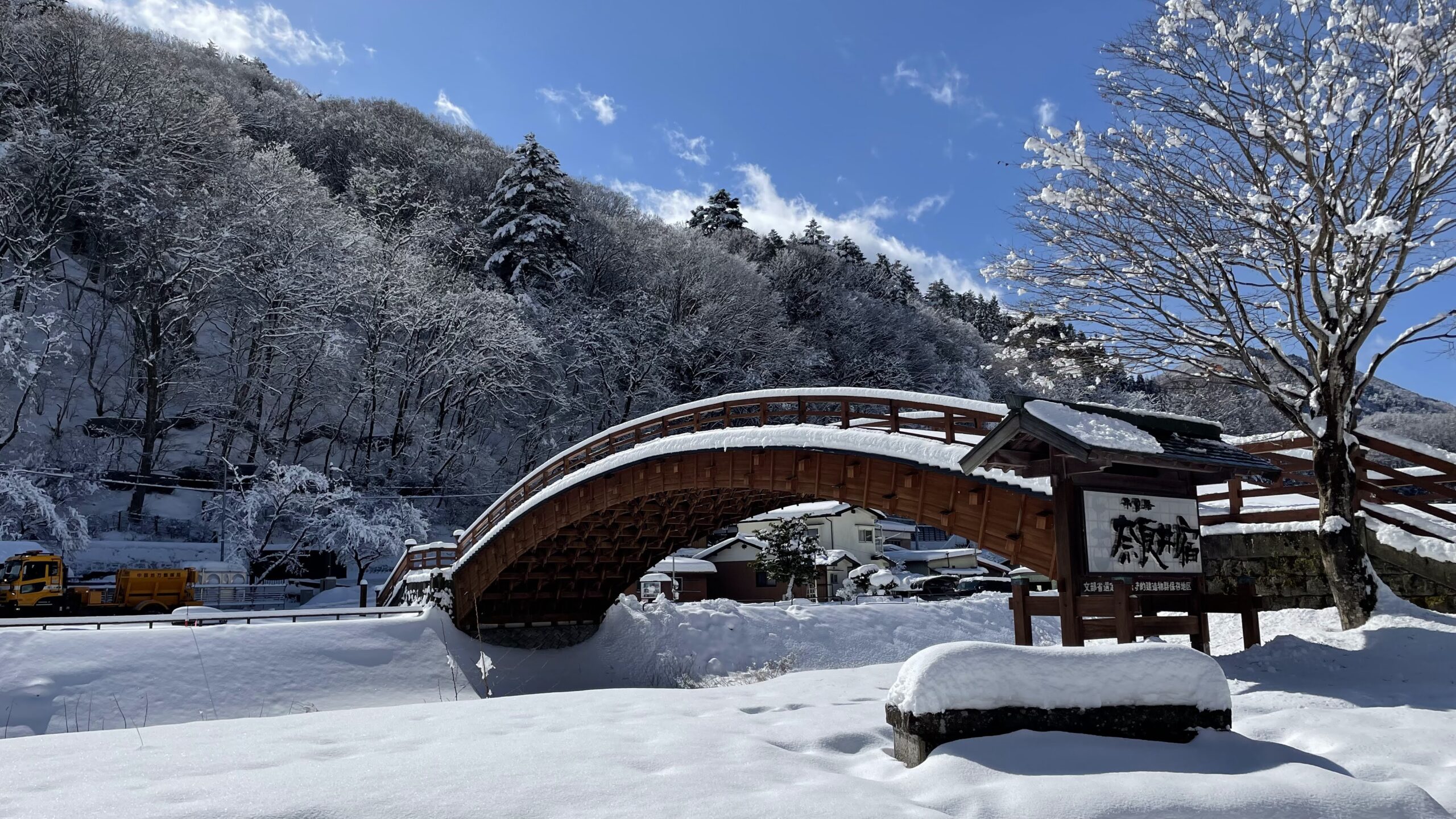
In recent years, walking and hiking the Nakasendo Trail has become increasingly popular among foreign travelers. Yet many journeys focus mainly on the celebrated Kiso Valley highlights, such as Magome and Tsumago.
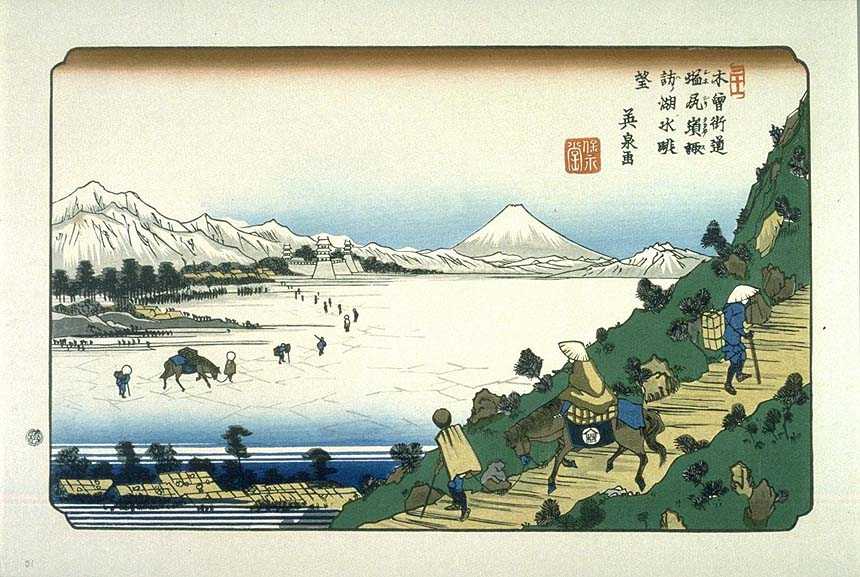
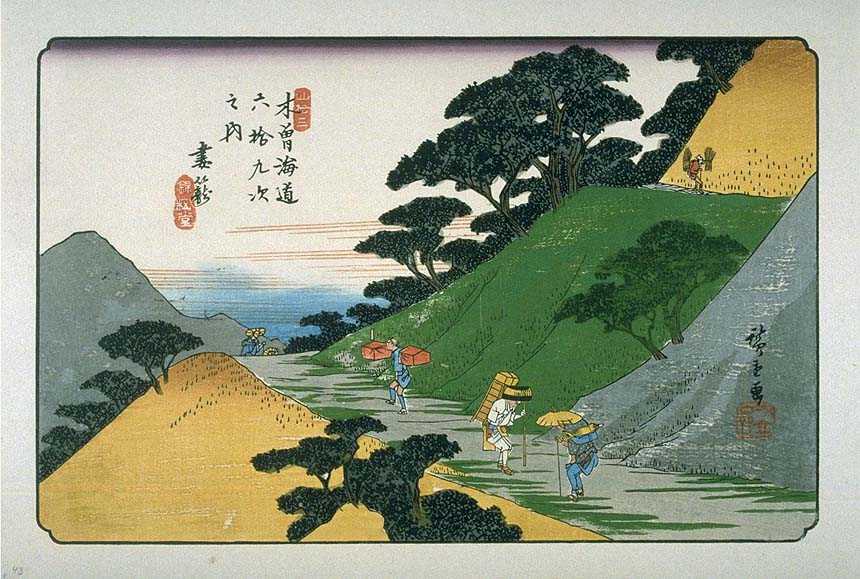
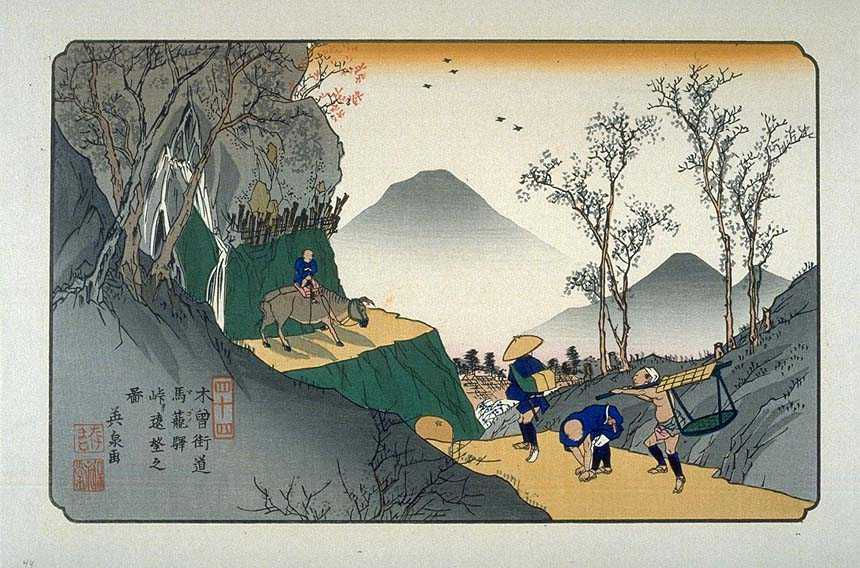
The historic Nakasendo was much more than this. Stretching approximately 534 km (332 miles) between Edo and Kyoto, the mountain route connected 69 post towns, providing travelers with accommodation, food, and respite along the way.

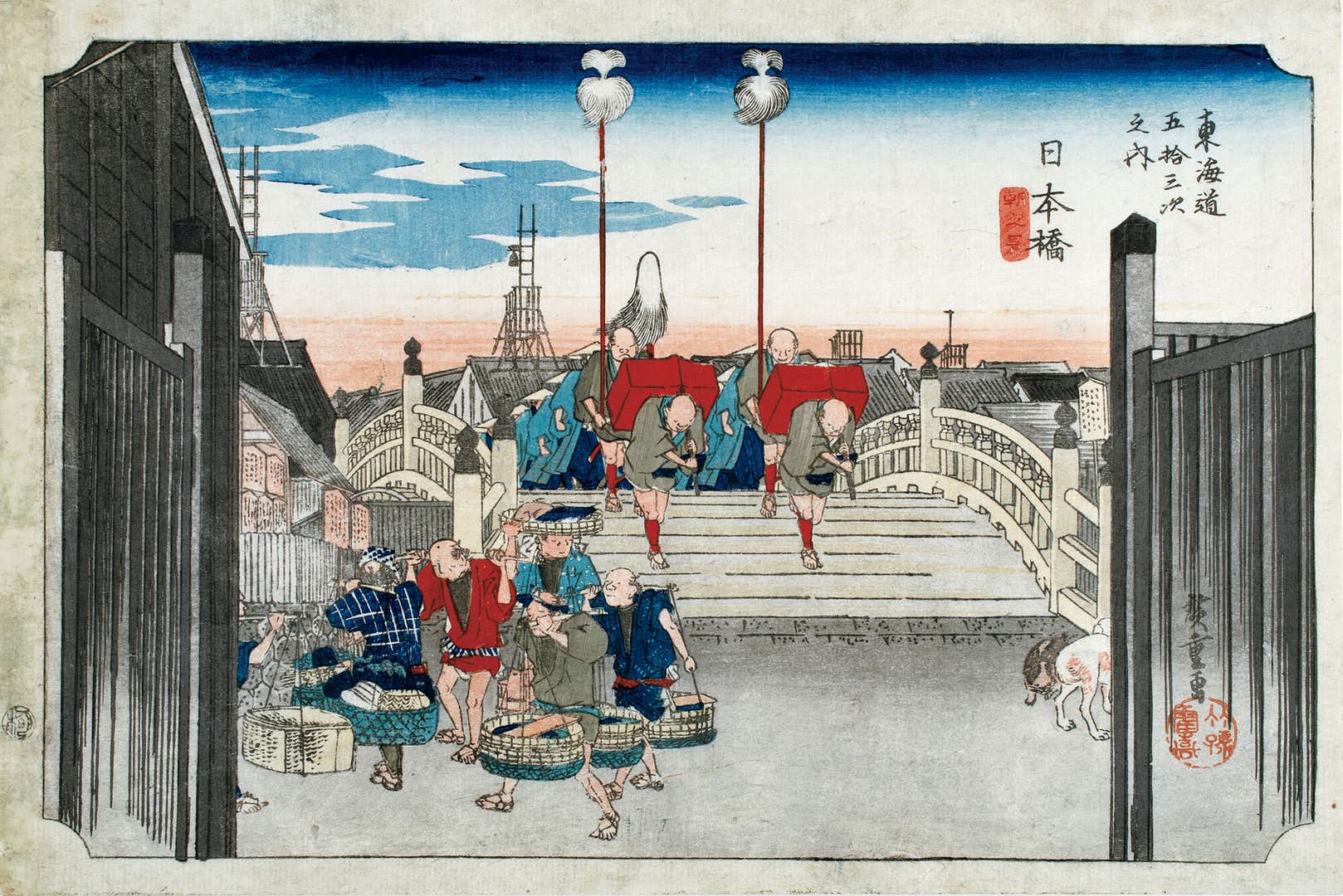
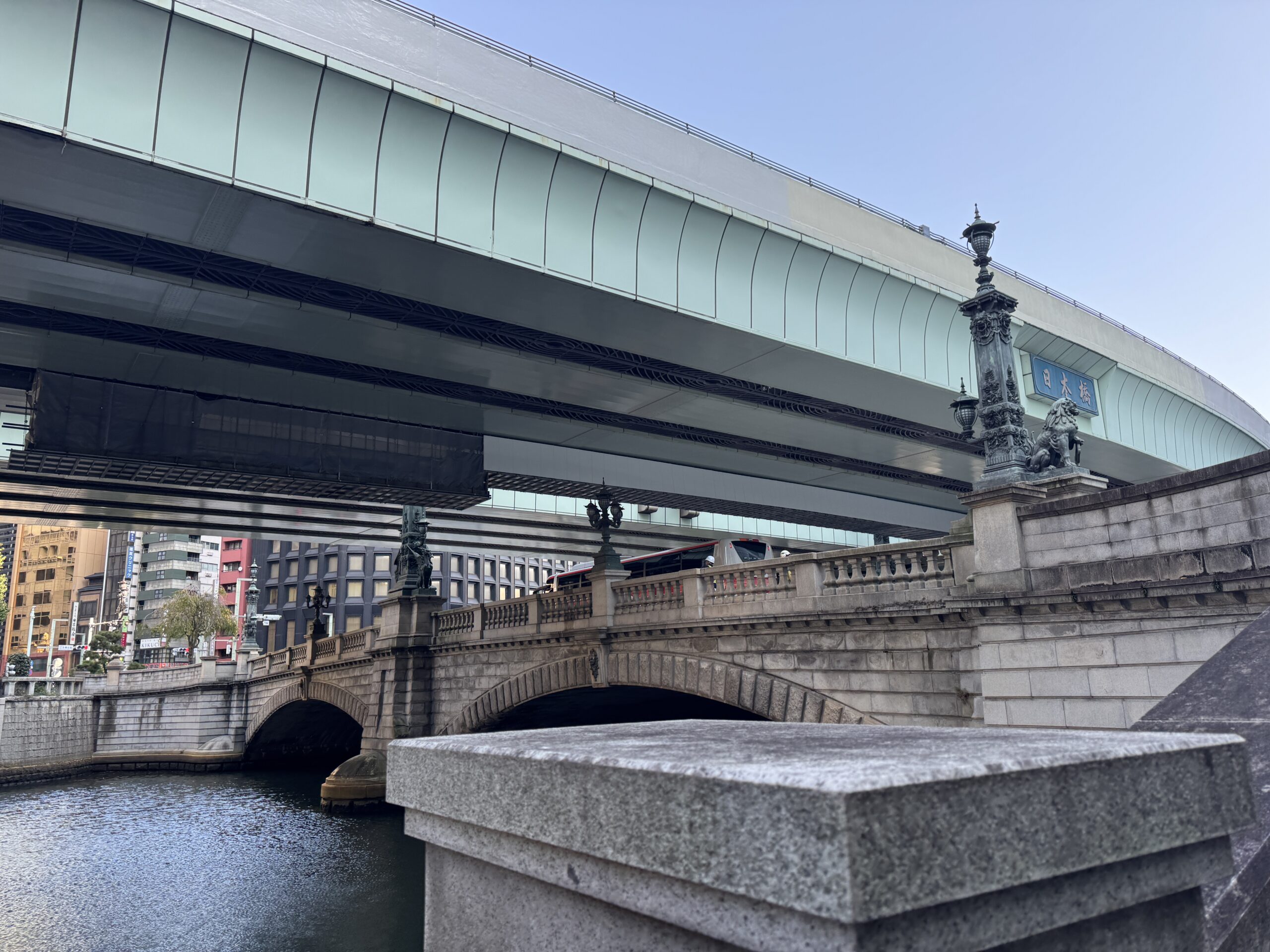
At one end stood Nihonbashi in present-day Tokyo, and Sanjo Ohashi in Kyoto on the other end, where travelers began their journey.
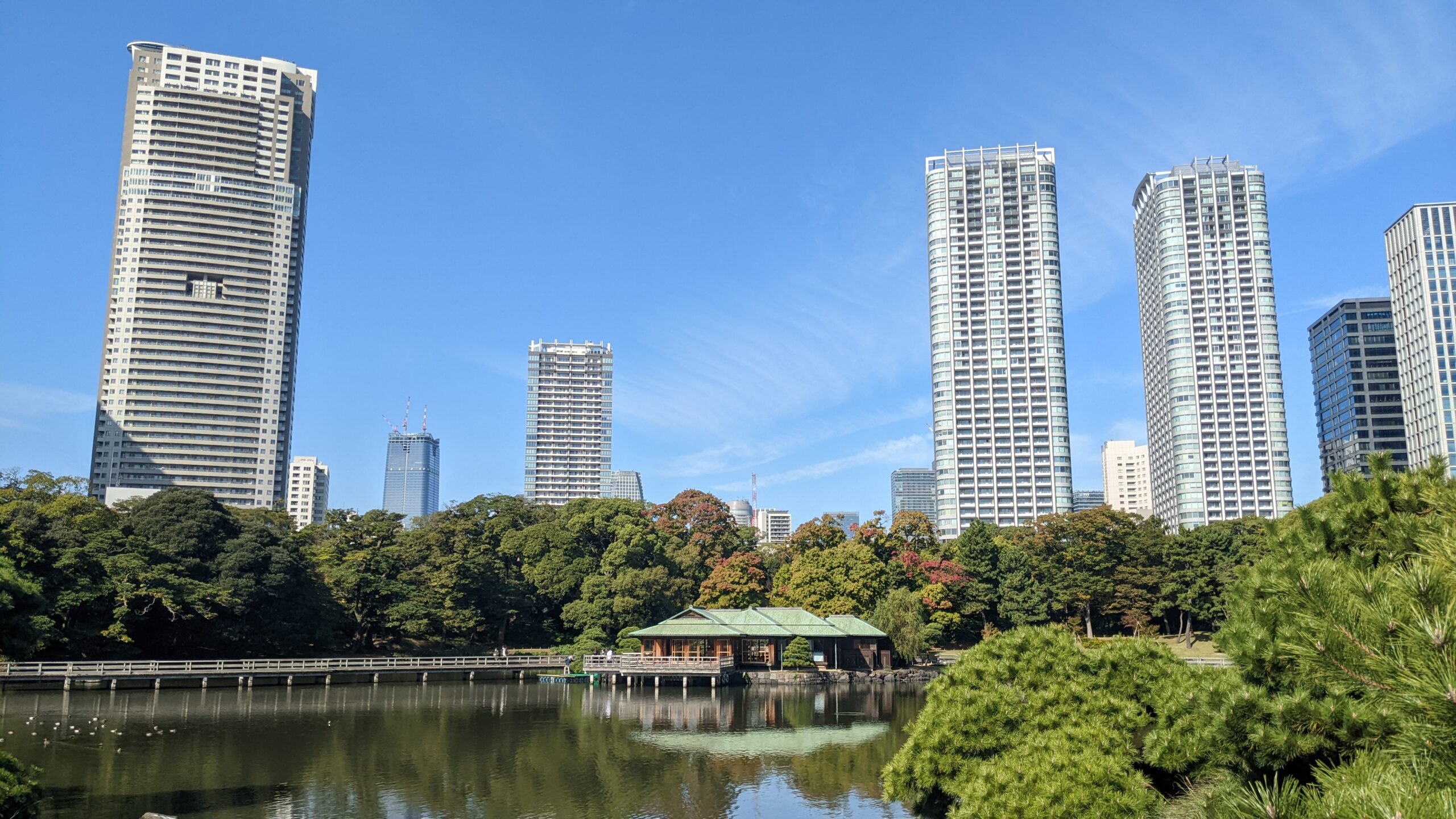
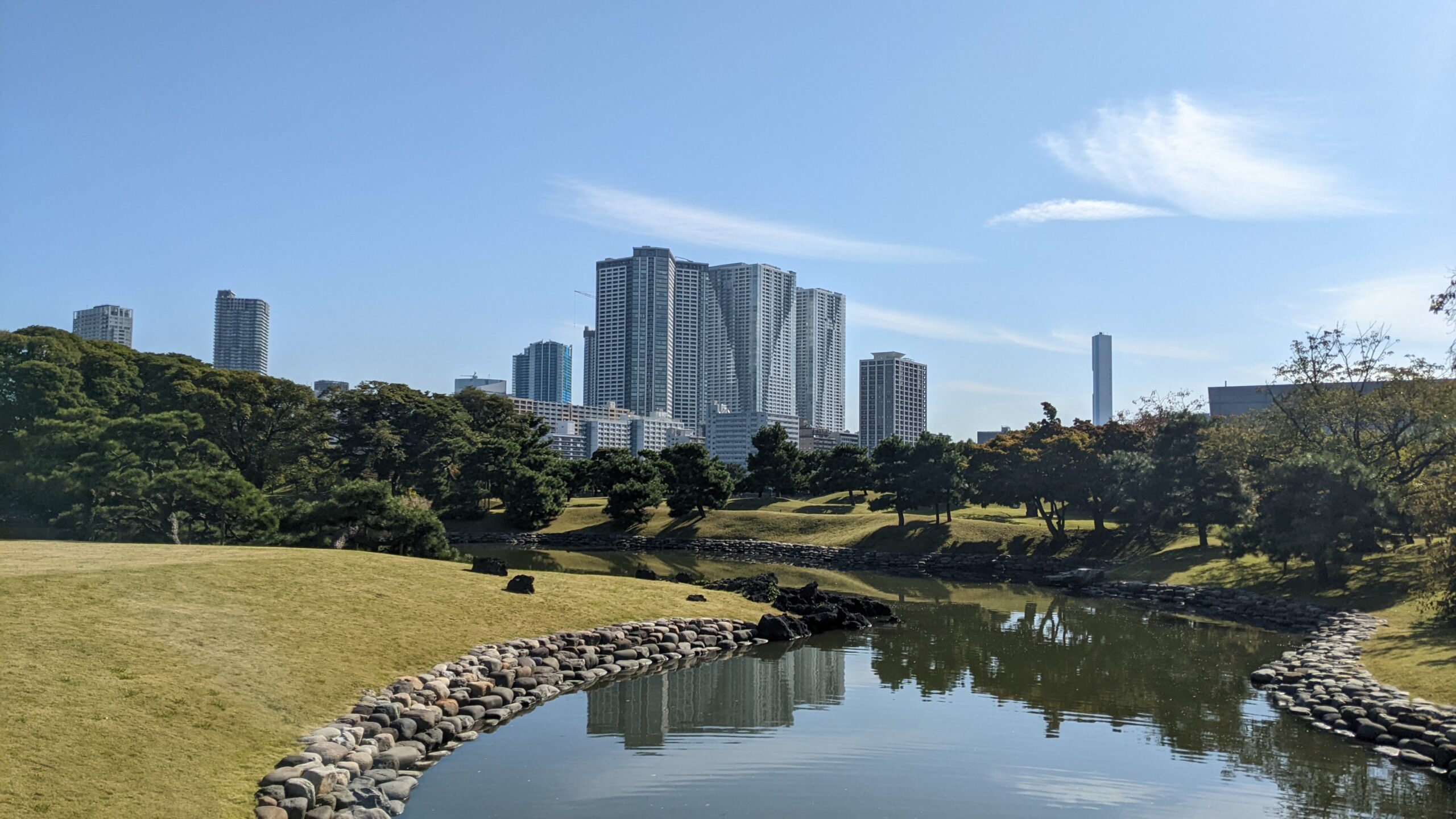
Today, Nihonbashi is surrounded by Tokyo’s modern skyline; you can look beyond the skyscrapers and imagine the same sky that samurai, merchants, pilgrims, and travelers saw some 400 years ago.

This is more than a hike. It is an extraordinary journey through history — a form of time travel connecting modern Japan with the world of the Edo period.

*This journey can begin either at Nihonbashi in Tokyo or at Sanjo Ohashi in Kyoto.
*The itinerary below follows the route beginning in Tokyo.
Course from Tokyo

1. Edo — The Beginning of the Journey

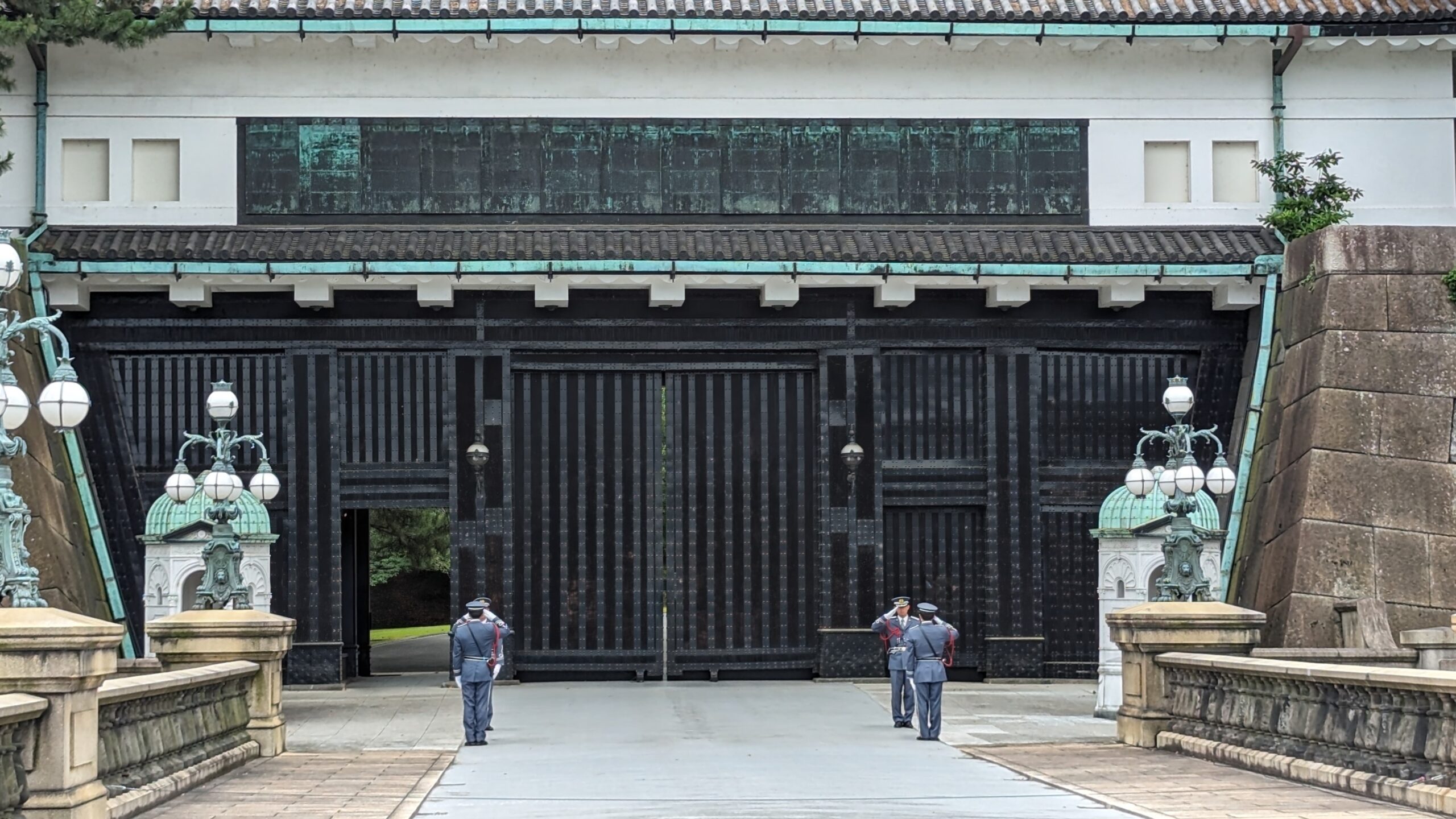
During the Edo period, the Tokugawa shogunate established the Five Great Highways connecting Edo with the rest of Japan. The Imperial Palace today occupies the grounds of the former Edo Castle, once the residence of the Tokugawa shoguns.
O-Bansho & Hyakunin-Bansho
These historic guardhouses housed elite samurai responsible for protecting the shogun and the inner grounds of Edo Castle. Here, you can see surviving elements of the castle’s defensive architecture and gain a sense of life at the heart of the shogunate.
From the former castle grounds, we look toward the city once ruled from here and toward Nihonbashi — the starting point of the Nakasendo.

And so, our journey begins.

2. Suwa — A Sacred Stop on the Nakasendo

Our first destination is Suwa, the 29th post town on the Nakasendo and an important crossroads where the Nakasendo met the Koshu Kaido, two major highways during the Edo period.
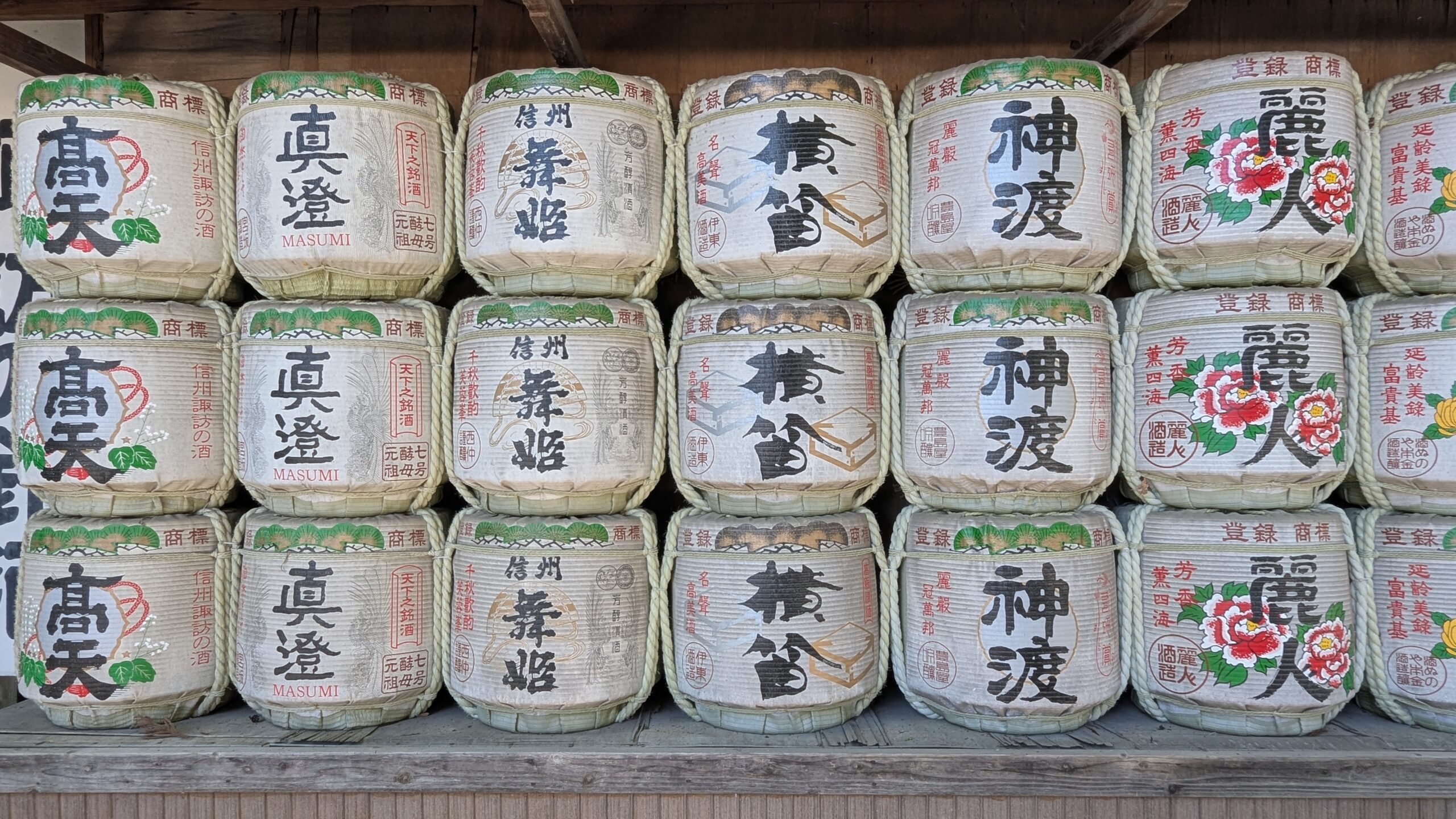
As a major transportation hub, Suwa attracted many travelers and developed a thriving sake-brewing culture.
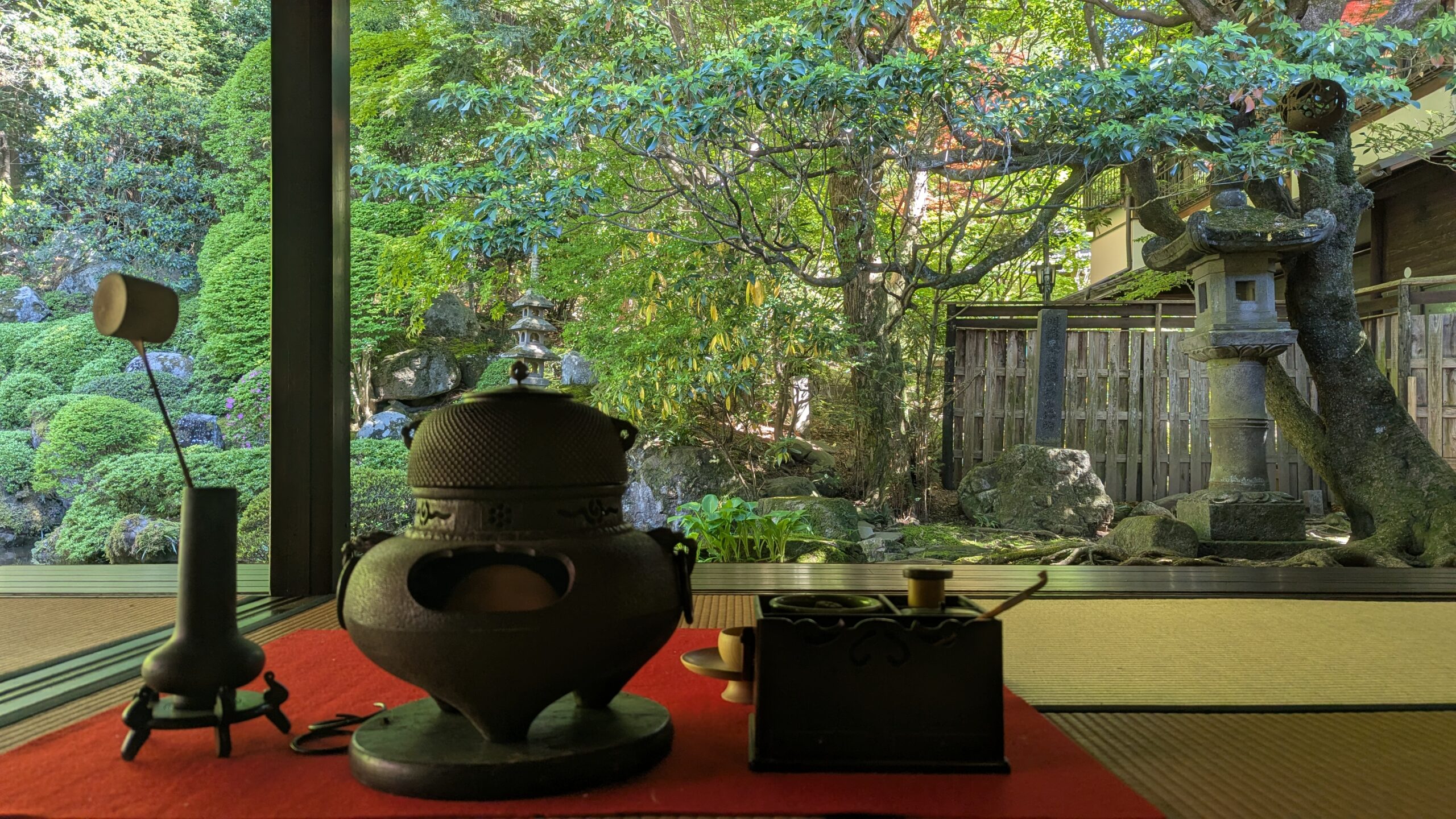
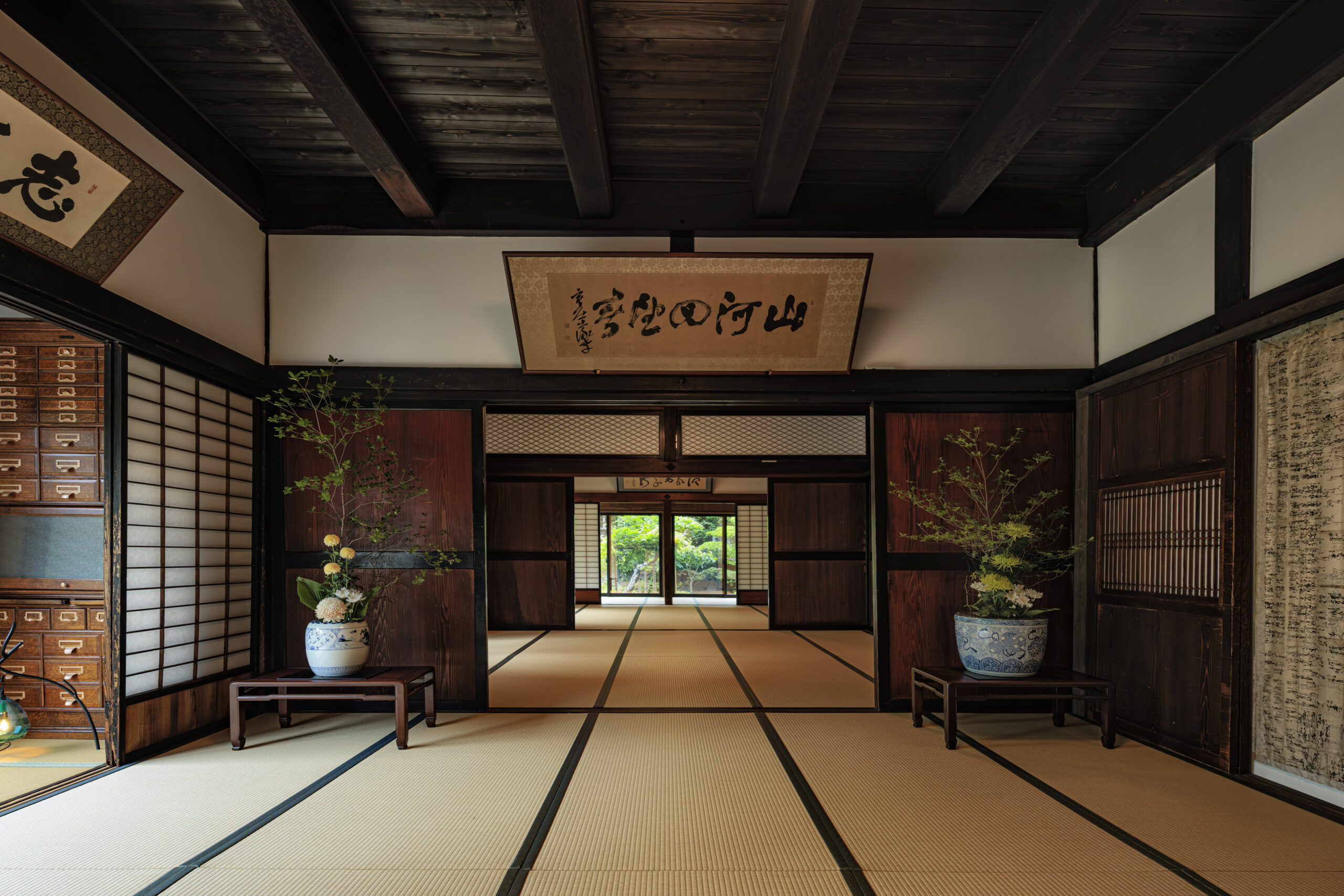
At a former samurai residence, descendants of the family can share stories of their ancestors and the history of the house, a rare opportunity to experience history through the people who continue to live with it.
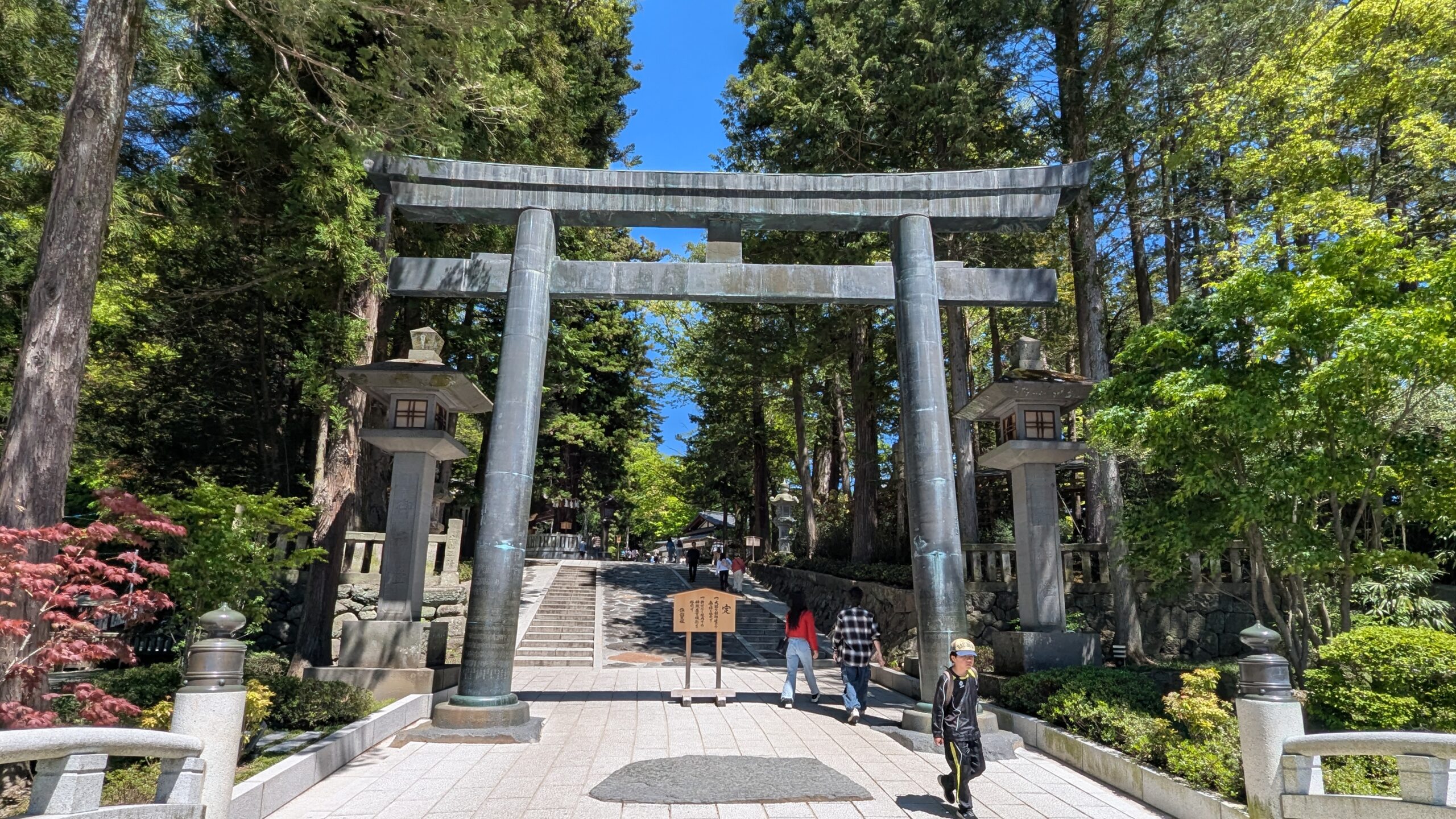
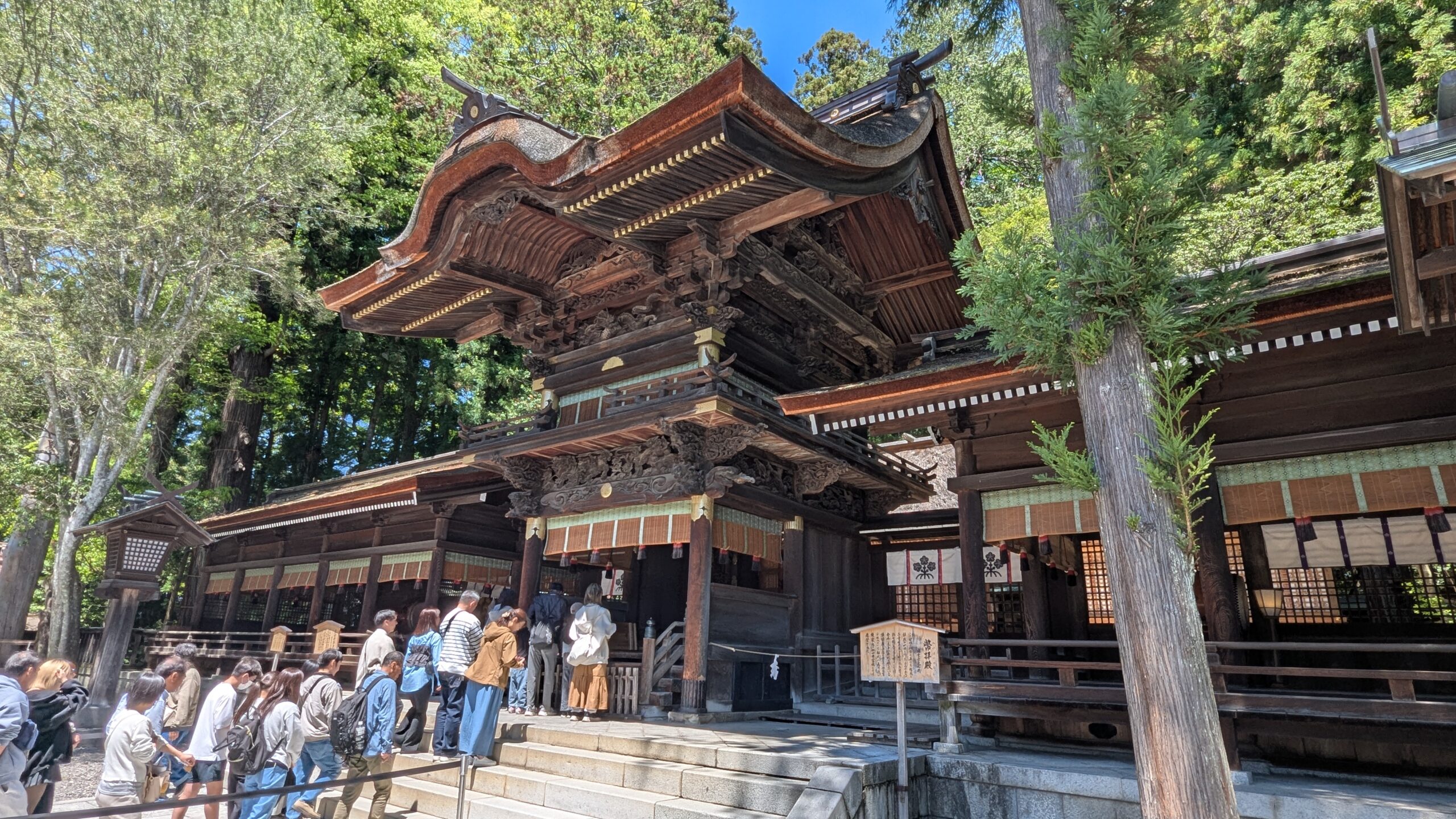
Suwa is also home to Suwa Taisha Shrine, one of Japan’s oldest and important Shinto shrines, with origins connected to deities recorded in the Kojiki (Records of Ancient Matters).

Before continuing, a visit to the shrine to pray for a safe journey, as people in the Edo period did, is highly recommended.

3. Narai — The “Narai Thousand Houses”

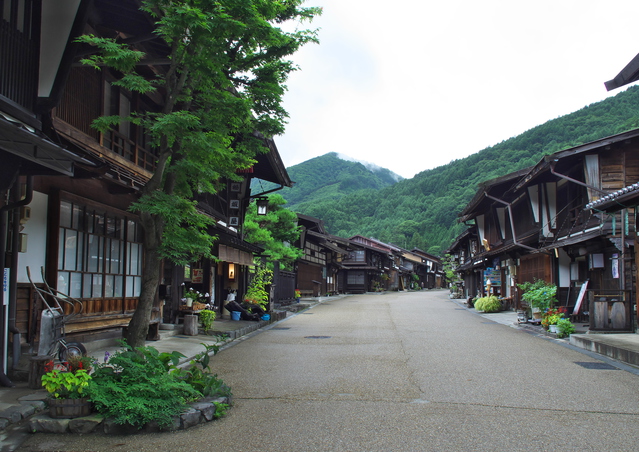
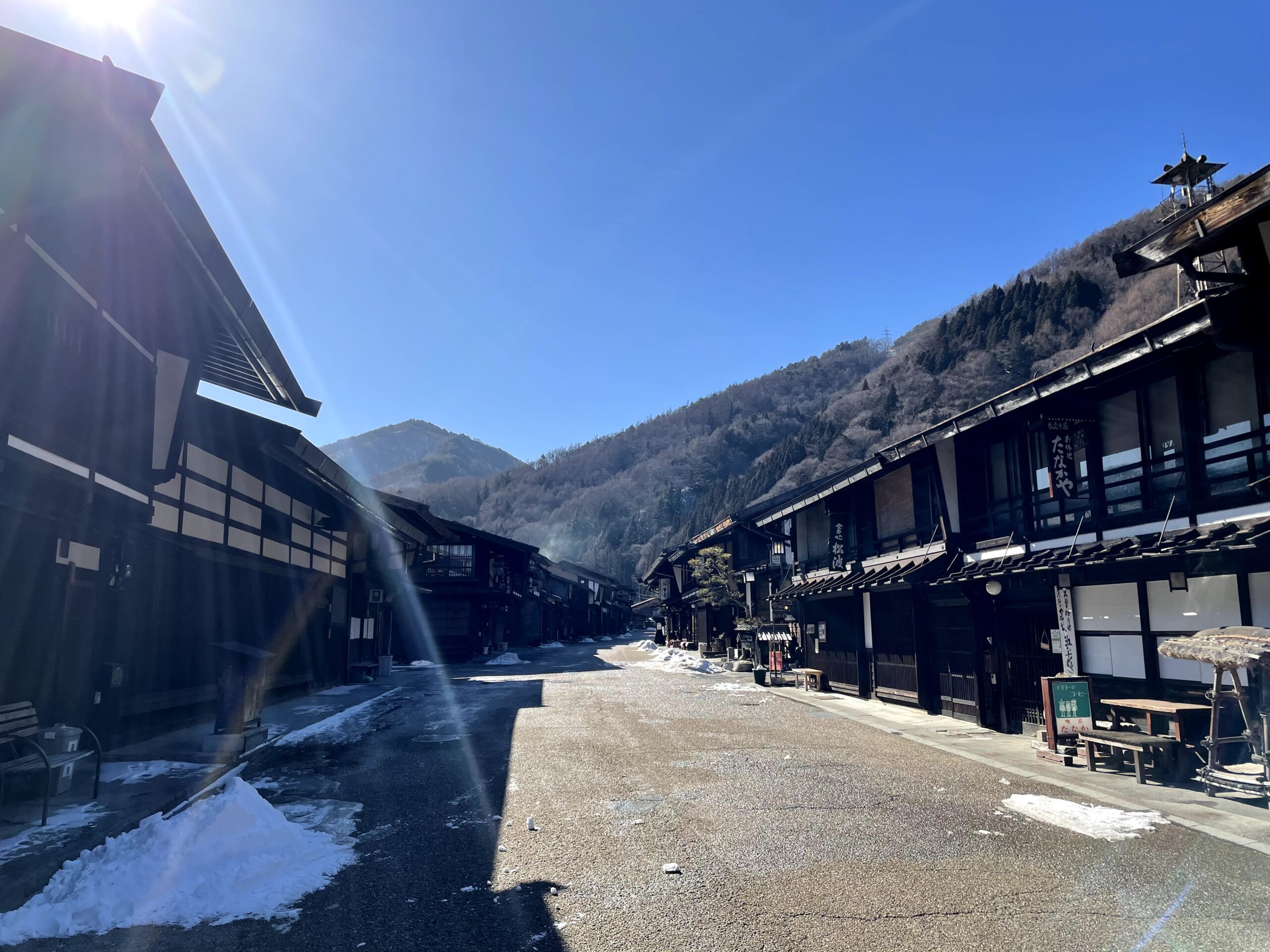
Narai is the 34th post town of the Nakasendo and one of its best-preserved historic settlements.
For approximately one kilometre, its Edo-period streetscape remains remarkably intact.
At the height of its prosperity, it was known as “Narai Senken” — Narai, the Thousand Houses, reflecting its remarkable scale and bustle. It is recognized as a Nationally Designated Preservation District for Groups of Traditional Buildings and is considered the longest post town in Japan.

Situated before the formidable Torii Pass, Narai provided travelers with a place to rest and pray for safe passage through the mountains.

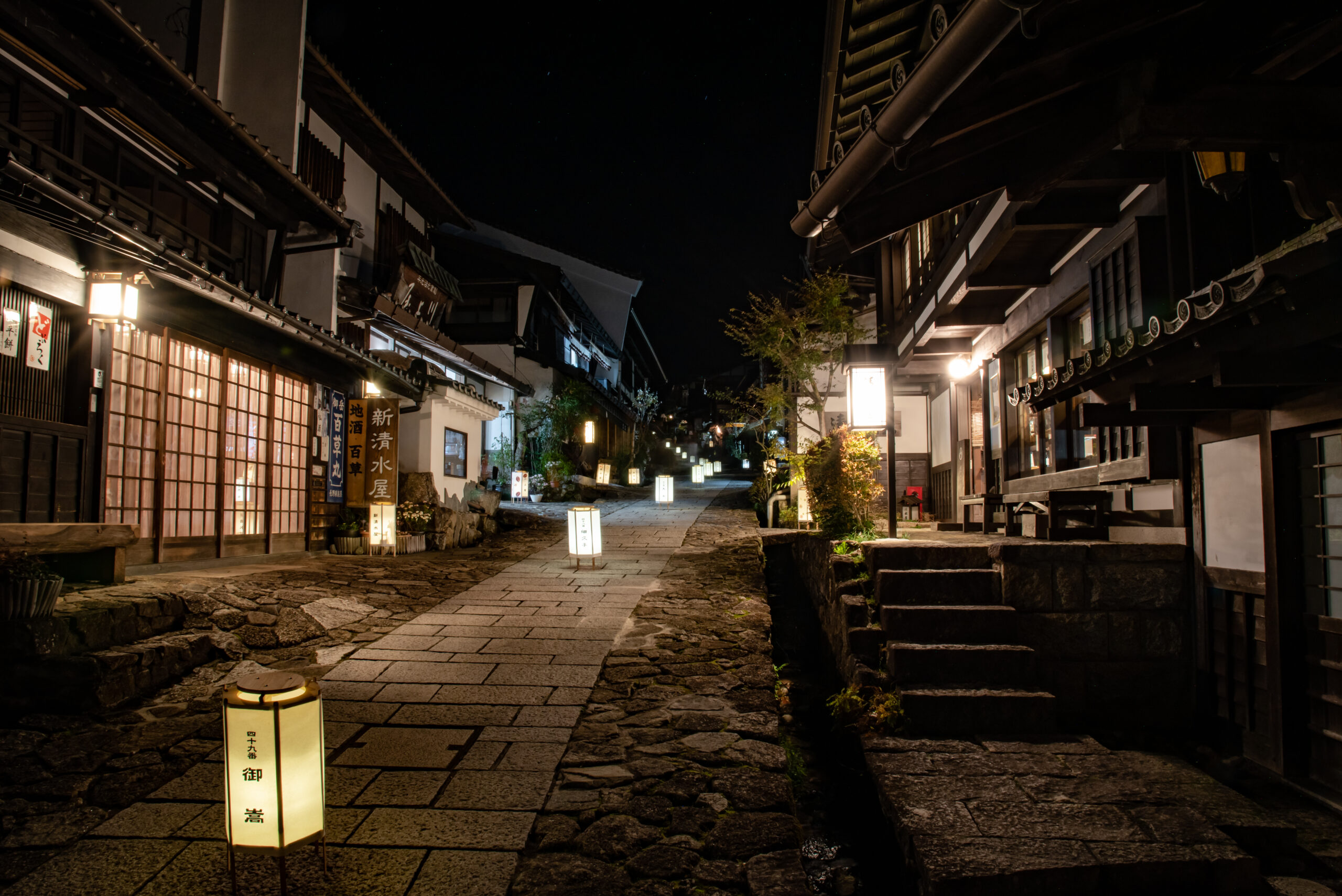
As evening falls, lanterns glowing beneath the traditional wooden eaves create a scene that evokes an enduring image of old Japan.

4. Tsumago-juku — Preserving the World of the Edo Period

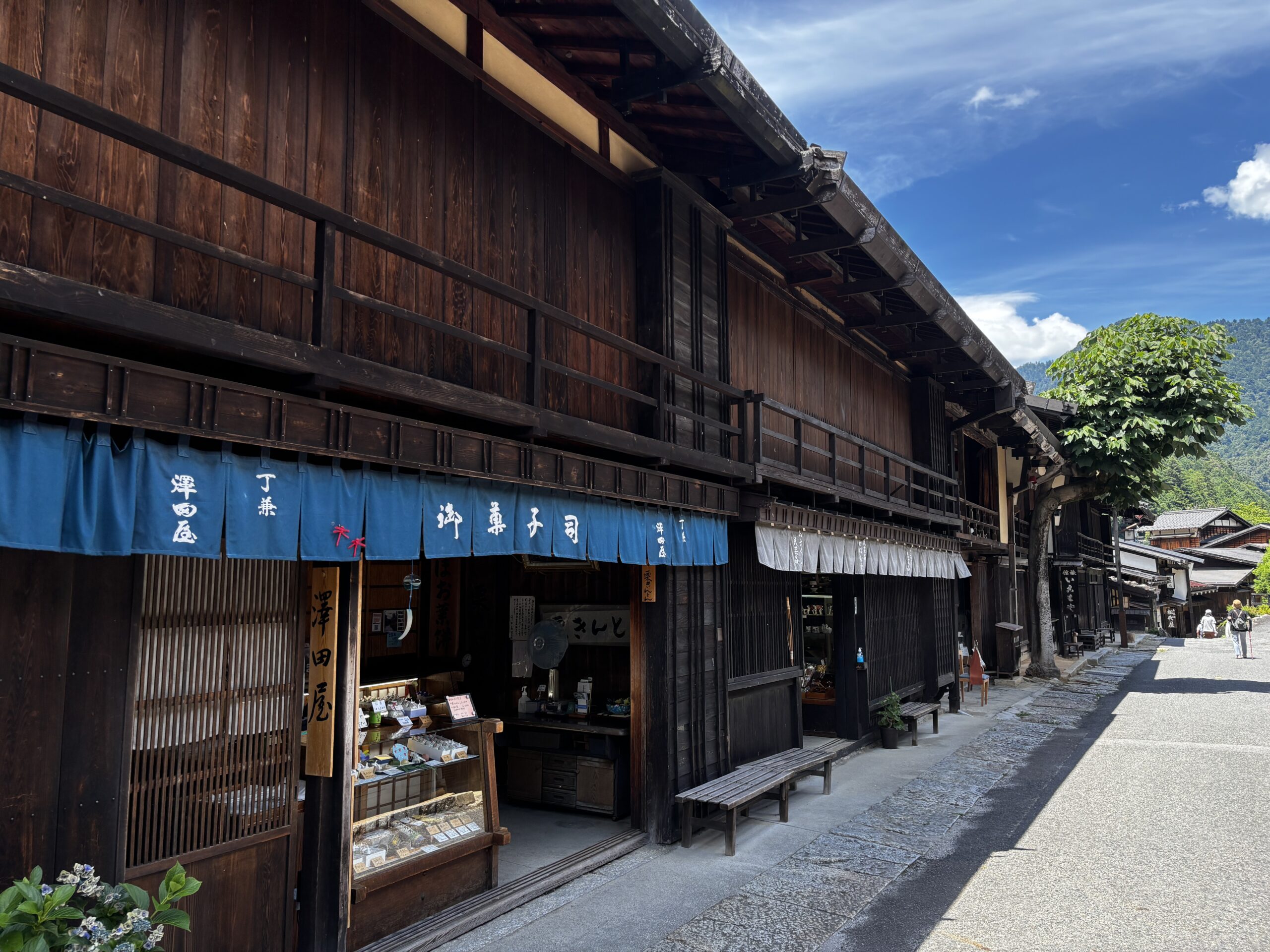
Nestled in the Kiso Mountains, Tsumago-juku is perhaps the most internationally famous of the historic post towns.
Its remarkable preservation was achieved through the determination of the local community, which established three principles: “Do not sell, do not rent, and do not destroy.”

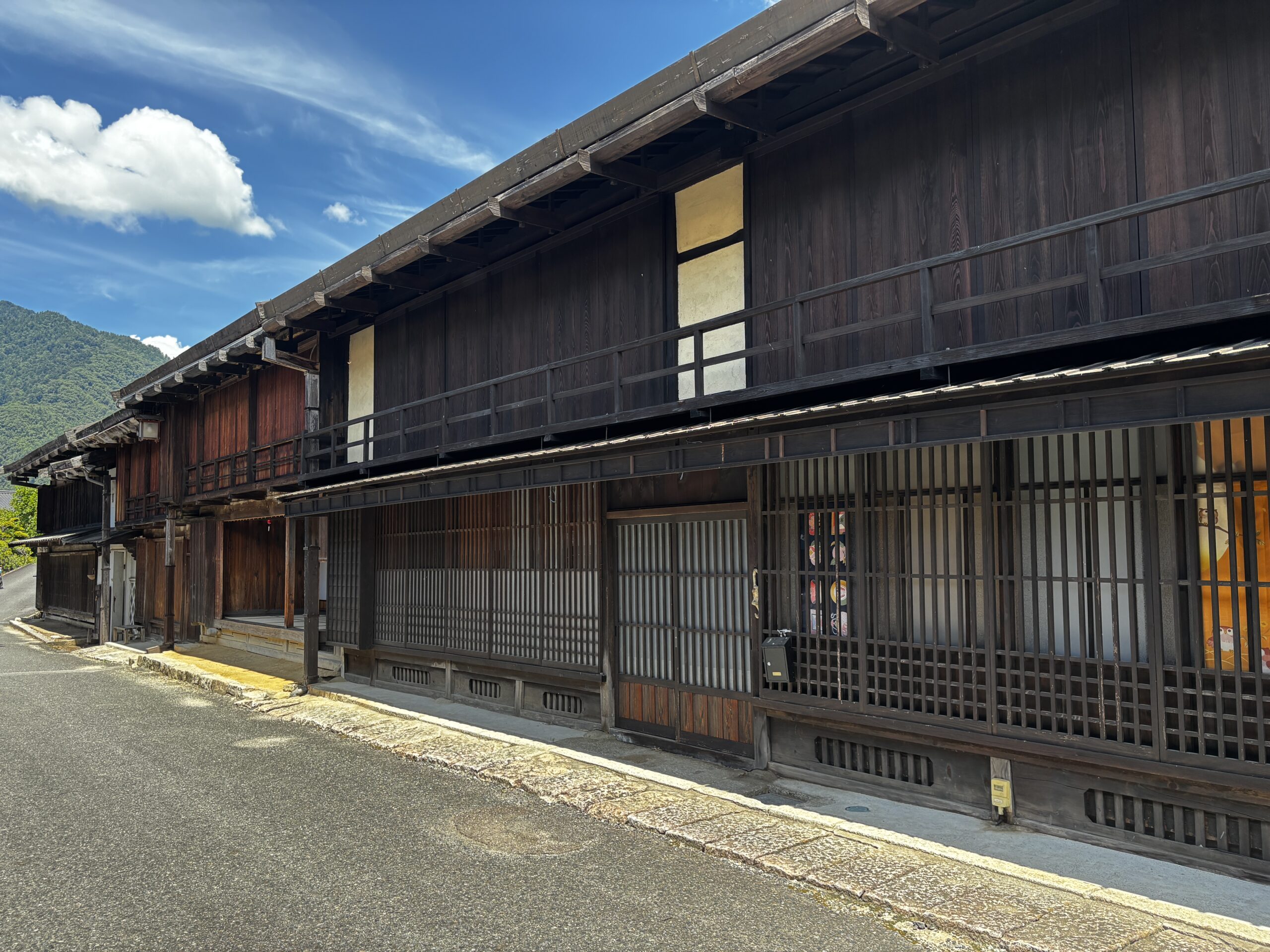
Utility poles and overhead wires have been removed from view, while traditional buildings with the architectural features of Edo-period hatago inns line the historic street.
The result is an exceptionally immersive streetscape that allows visitors to experience the atmosphere of an Edo-period post town.

In 1976, Tsumago became one of the first places in Japan to be designated a Nationally Designated Preservation District for Groups of Traditional Buildings.

5. Magome-juku — The Post Town on the Mountain Slope

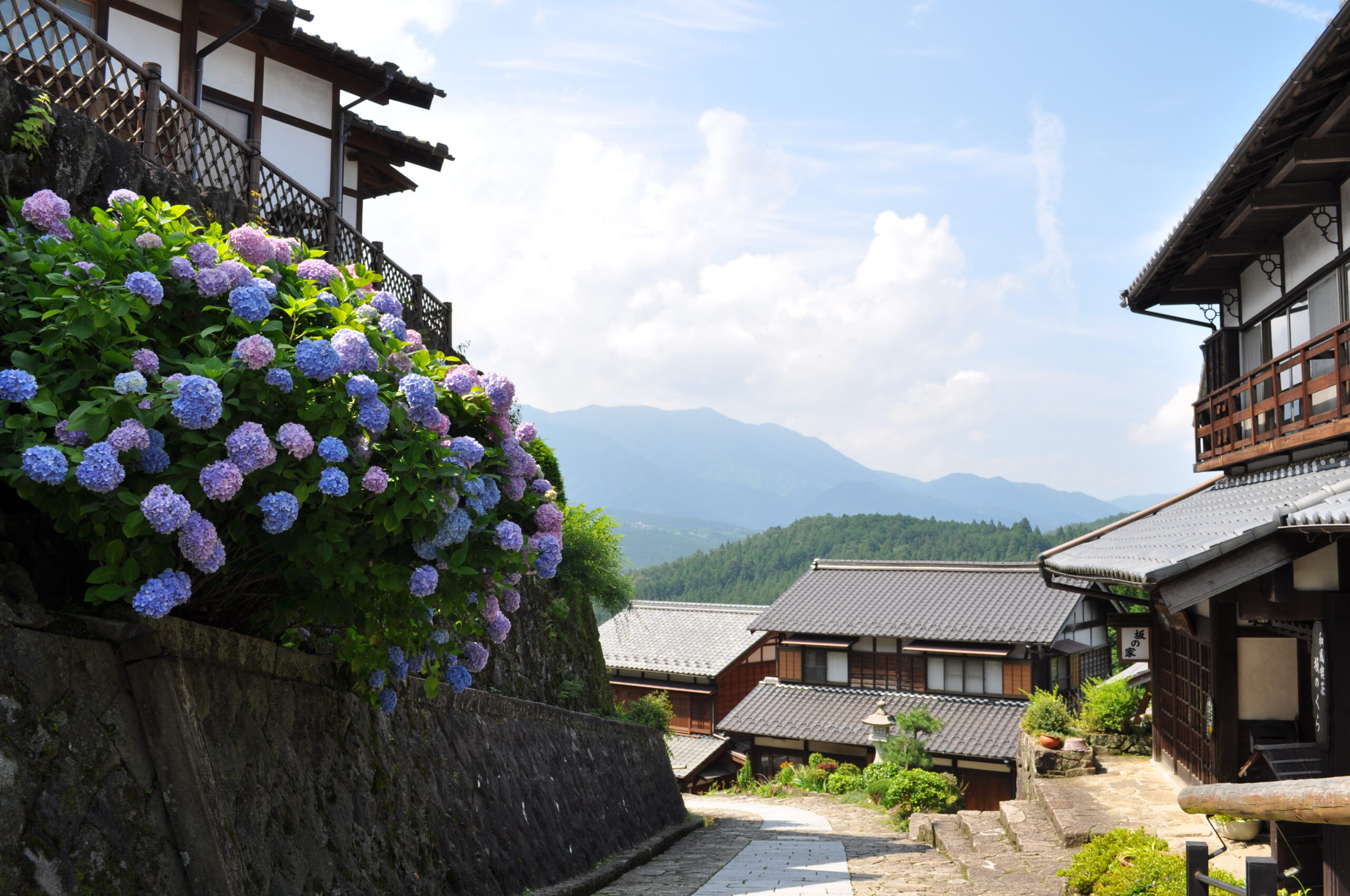
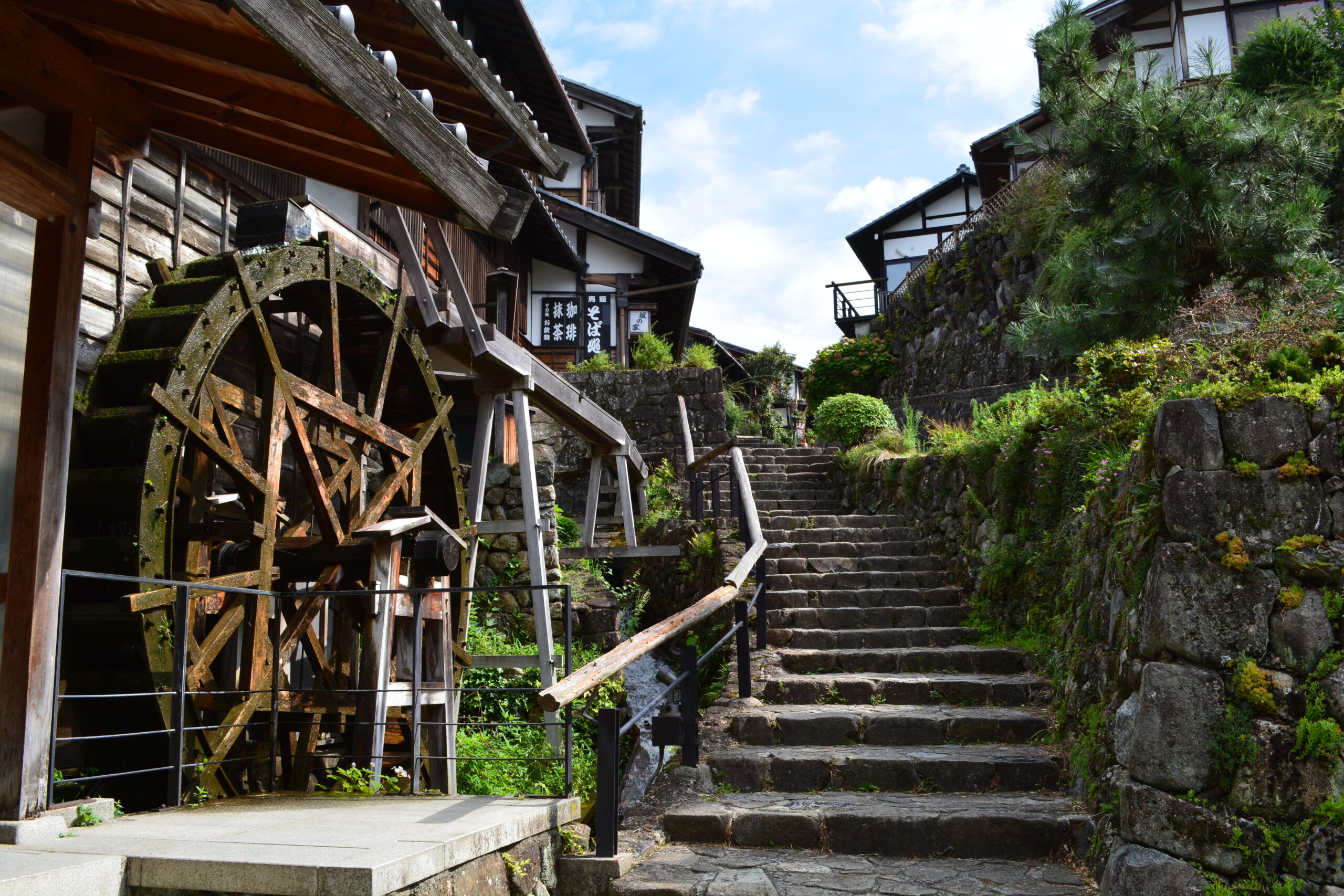
Magome-juku is a distinctive “post town with a slope,” built along a steep stone-paved road following the mountain ridge, with traditional residences supported by stone walls on both sides.

The town is also the birthplace of Toson Shimazaki, one of Japan’s best-known modern literary figures. His former family home is preserved as a museum.

By the time we reach Magome, the enclosed mountain landscape begins to open up, offering a striking sense of space after the deep valleys of the Kiso region.

If you take the route from Kyoto’s Sanjo Ohashi Bridge toward Edo (Tokyo), this marks your first step onto the historic road as you head toward the Central Alps.

Inclusions

Hotels and inns

Breakfast for all days

Dinner on day 3, 4, and 5

Train and bus tickets.

Nakasendo trail Expert Guide

Exclusions

Your beverage during meal

Lunch

Gratuity for your guide

Languages

English

Francais

Espanol

Chinese

Korean

Our Suggested Plans

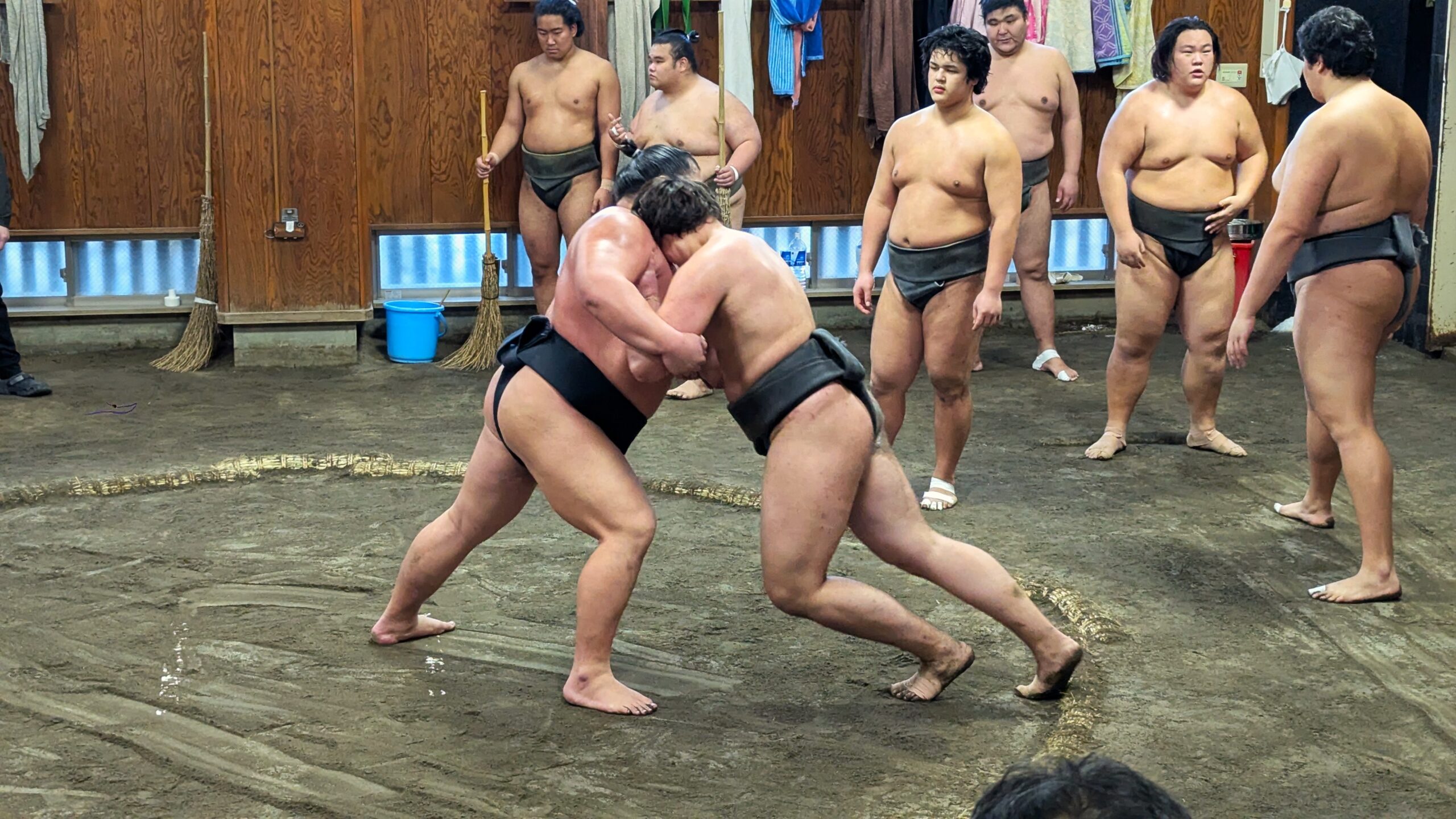
Sumo Stable Visit

Visit a sumo stable with an expert guide, whose deep knowledge and insights will help you understand Rikishi's unique world and experience the power and spirit of sumo up close.

¥15,000
/person

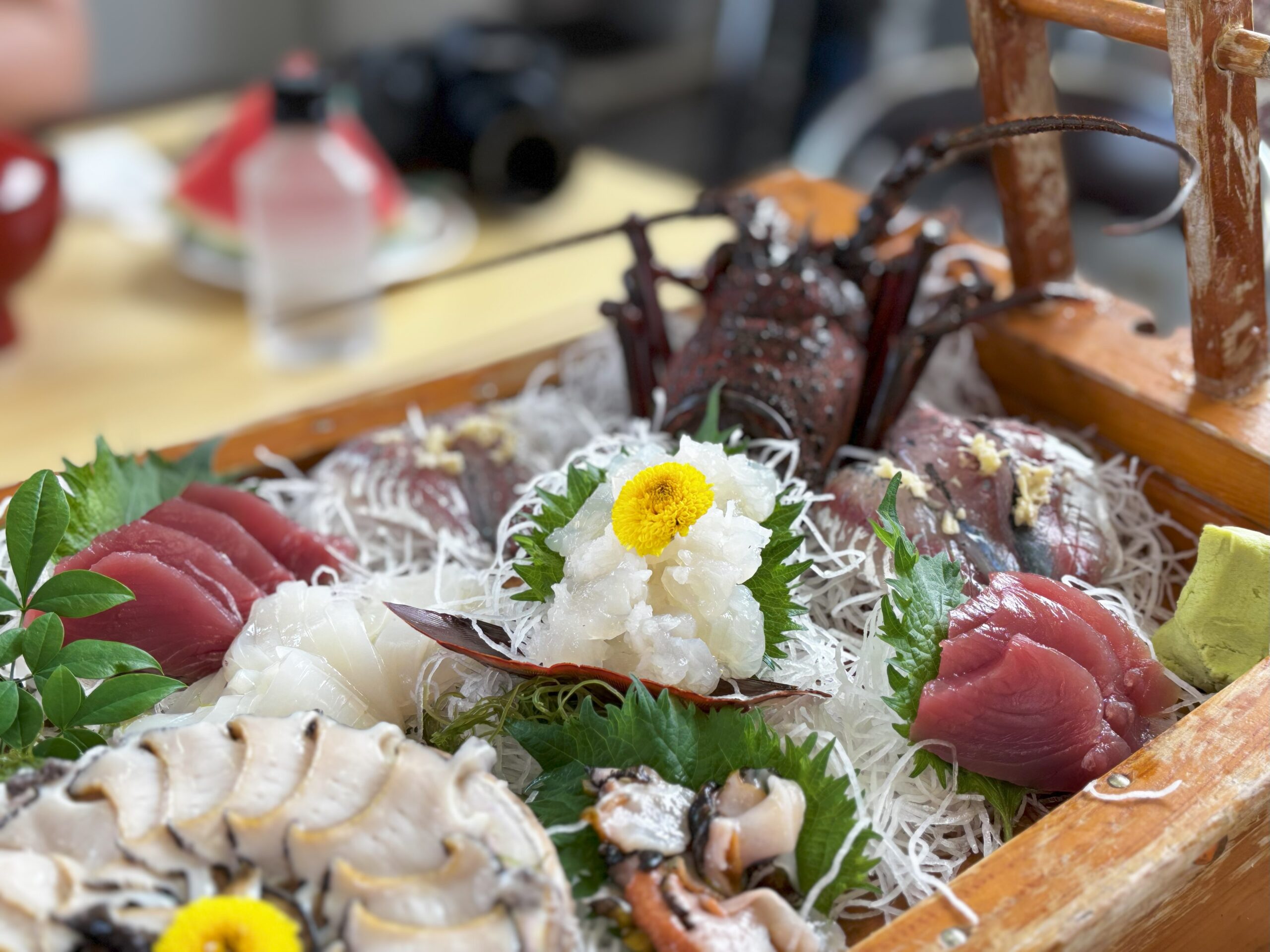
Seafood & Sake Pairing at a Local Brewery

Discover Japan through the hidden treasures of its regional gastronomy. Fresh sake at a local brewery, paired with seafood from the nearby coast, offers an authentic taste of local life and culinary t...

¥180,000~
/group

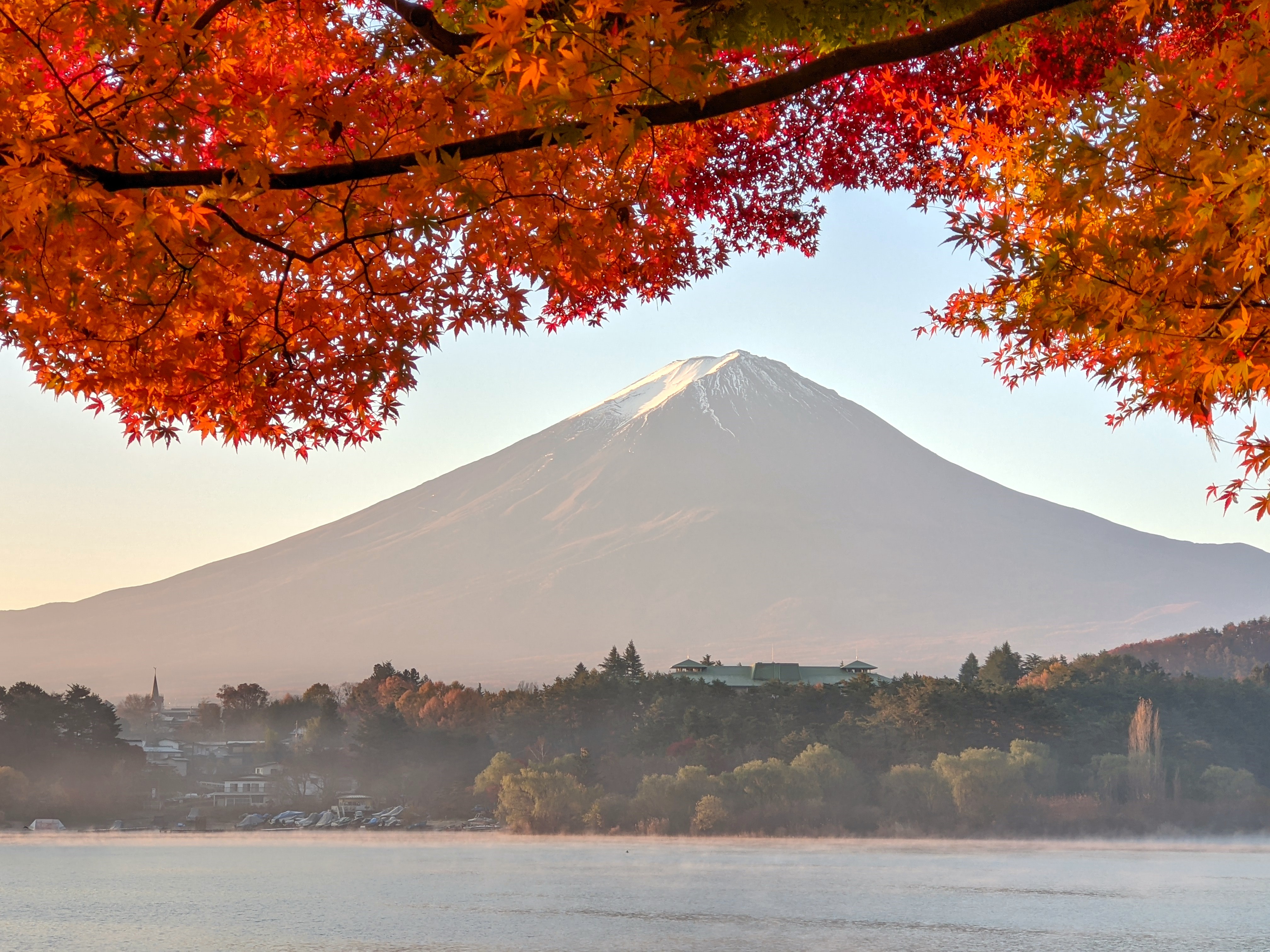
Mt Fuji Hidden Gem Private Custom Tour

Discover the timeless beauty of Mt. Fuji on our private day tour from Tokyo. From serene lakeshores to hidden viewpoints and cultural landmarks, our local guide will curate an unforgettable journey fo...
¥176,000~
/group

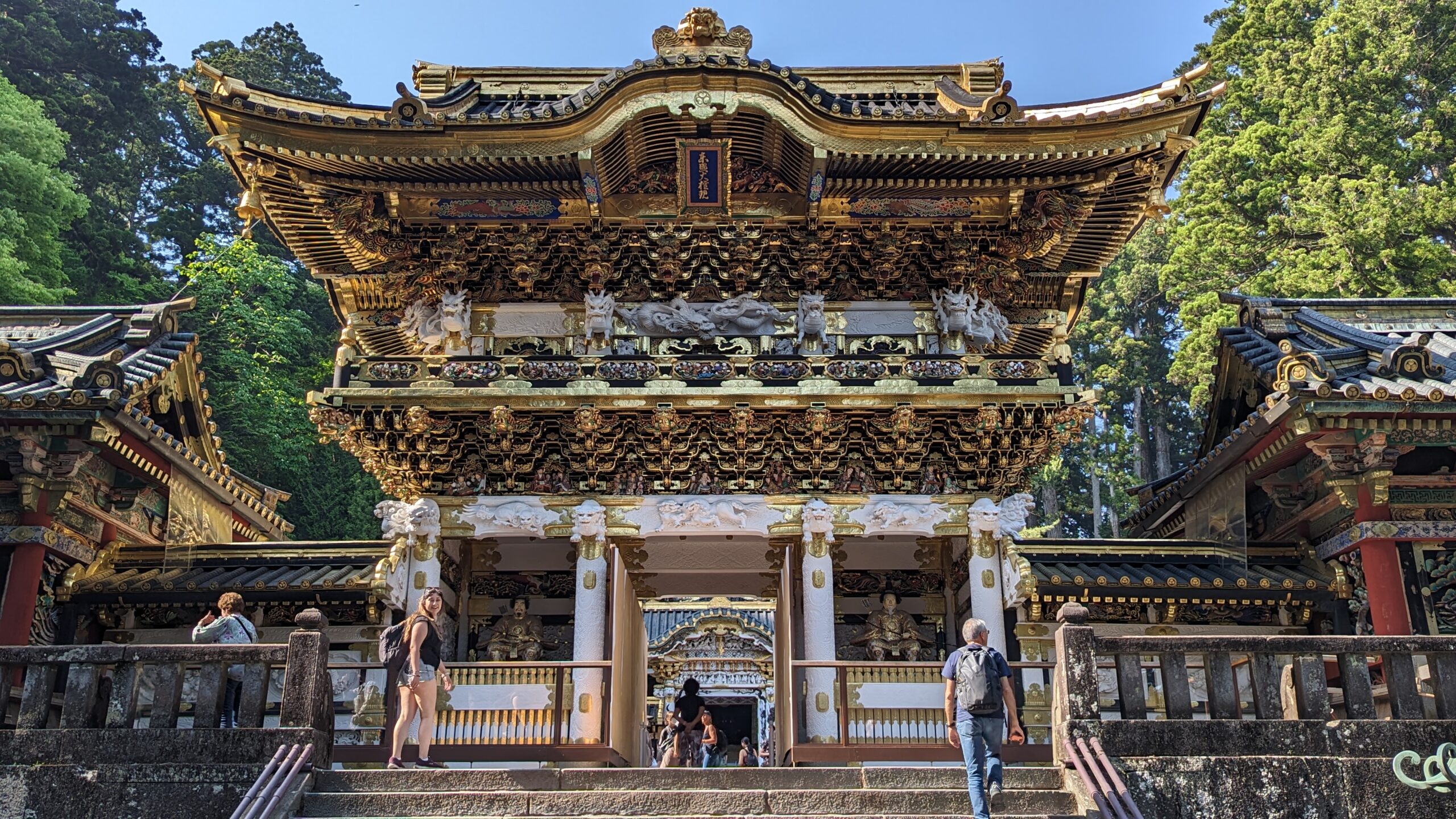
Nikko History & Nature Discovery

Explore the UNESCO-listed temples and shrines of Nikko, where you can immerse yourself in its rich culture and history while sensing the presence of the past samurai era with untouched natural beauty.

¥180,000~
/group

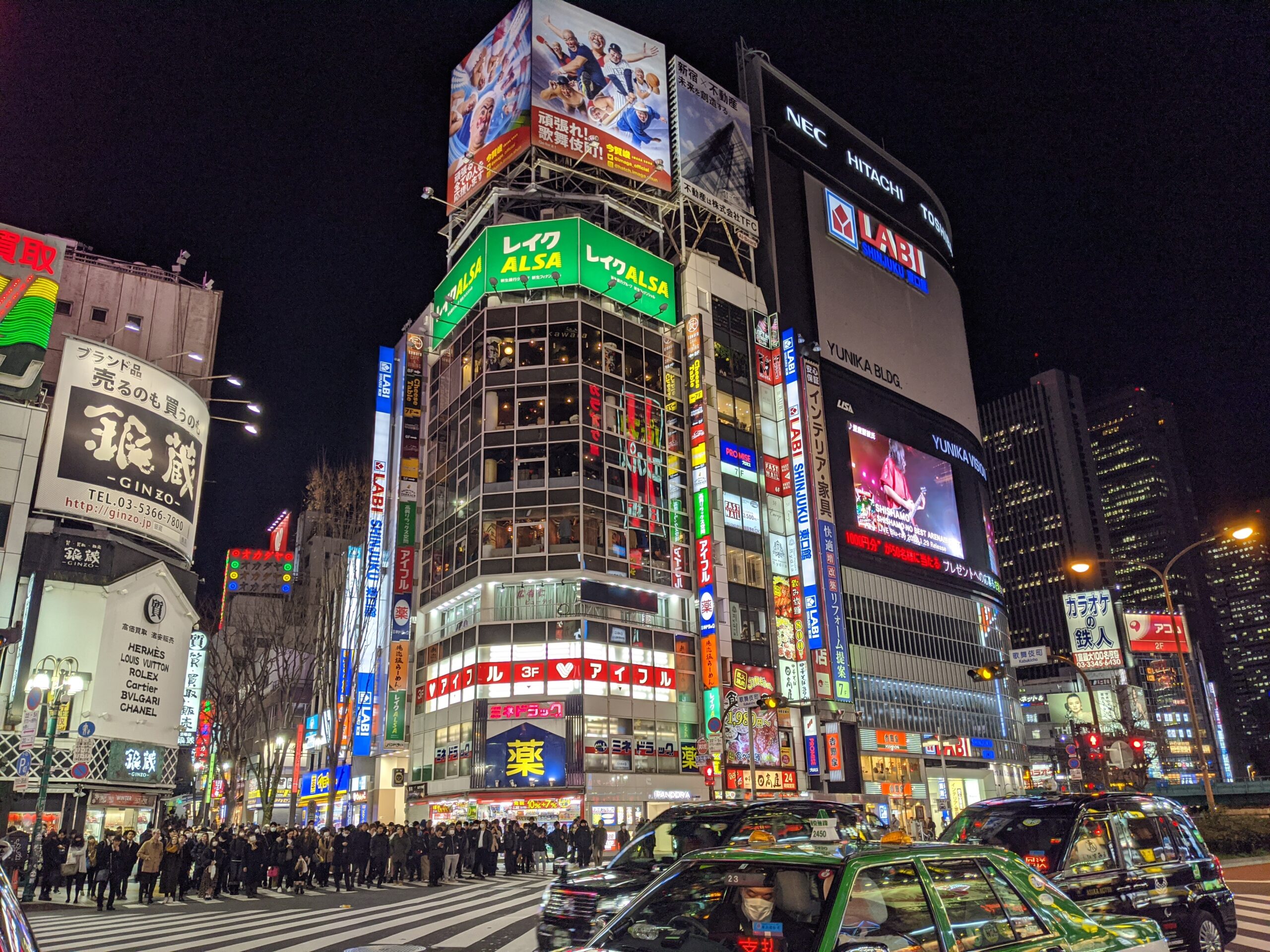
Nocturnal Sightseeing

Tokyo's nightlife offers a completely different vibe from the daytime. Wander through neon-lit streets or find peace in quiet temples. Step out of your hotel with our guide and chauffeured car, experi...

¥80,000JPY~
/group

Izakaya Bar Hopping

A Tokyo food expert will lead you on an exclusive private tour, curating the finest dining experiences in hidden local gems. Enjoy an authentic, non-touristy evening as your guide unveils the flavors ...

¥15,000
/person

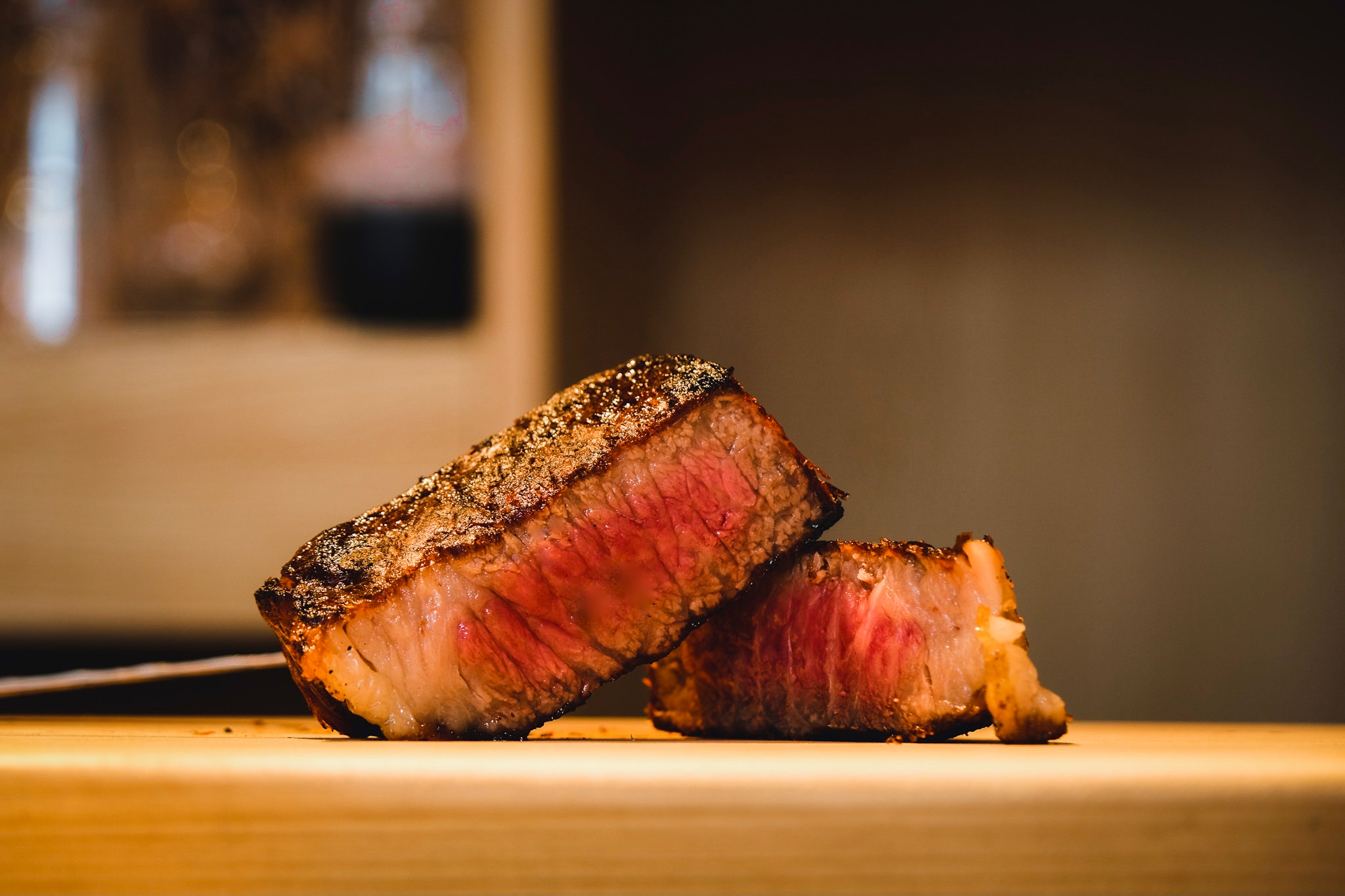
Wagyu Beef with Sake Pairing

An exceptional dining experience featuring meticulously prepared Wagyu beef, with each dish paired with sake to enhance its flavors. The chef shares heartfelt stories and cultural insights, creating a...

¥22000
/person

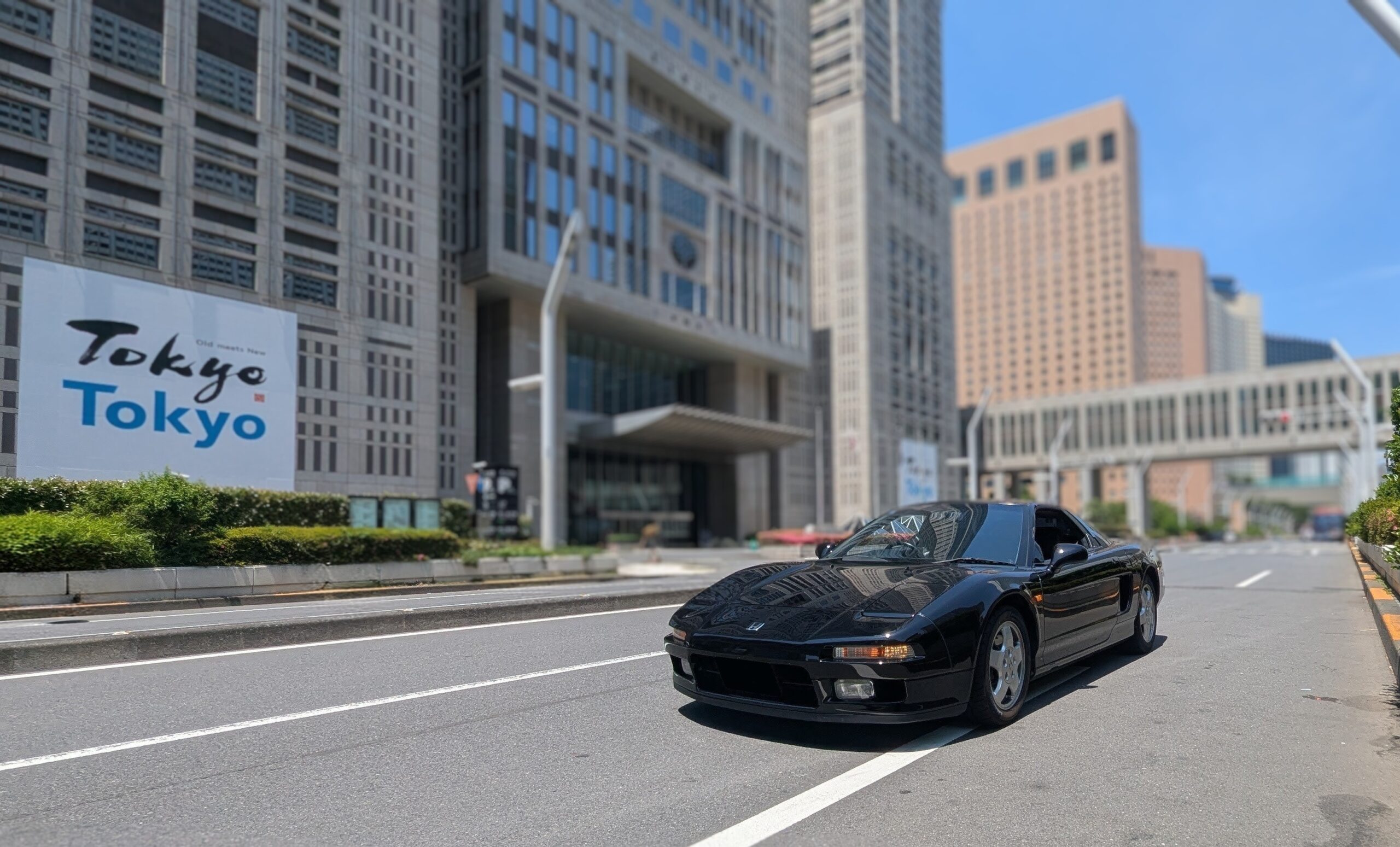
Cruise on JDM Honda NSX

Many car enthusiasts have one or two dream cars they admired as children. For me, it was the Honda NSX. One of the most distinctive and iconic cars in the world of JDM, the NSX remains truly one of...

¥80000~
/Person

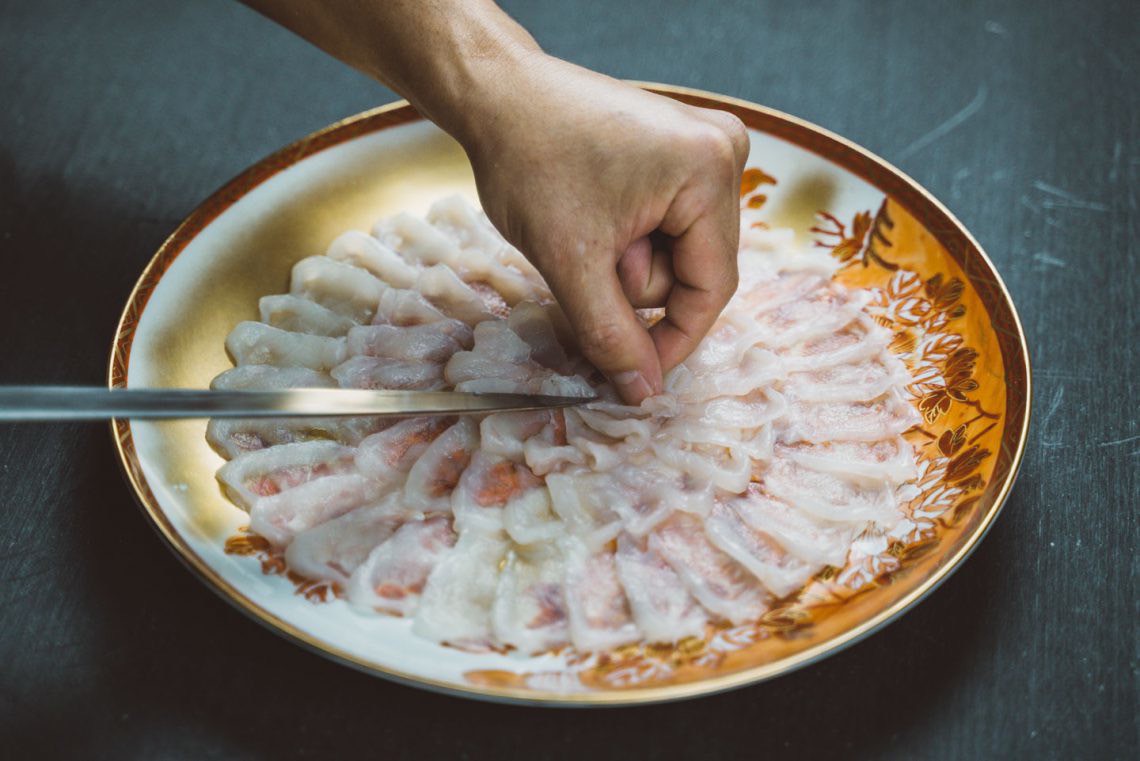
FUGU Dinner & Japanese Knife Skills Experience

Discover an unforgettable and truly unique side of Japanese cuisine and culture. Exclusively available through JASTA, this special experience offers the rare opportunity to prepare your own fugu sashi...

¥45,000~
/person

Stay in A Cultural Treasure

Stay in a art-like-museum-villa, dating back to the 1800's. This historic property is registered as a tangible cultural asset, and owned by the same family over generations.

¥600,000~
/person

error: Content is protected !!